
The Role of ERP Research in Digital Transformation
Digital transformation initiatives depend heavily on selecting software infrastructure capable of supporting future organizational growth. Enterprise Resource Planning software serves as the central nervous system of modern business operations, connecting resource allocation, manufacturing execution, financial accounting, and workforce management into a single source of operational truth. Without rigorous pre-purchase research, organizations risk selecting rigid platforms that fail to adapt to evolving market demands.
Conducting structured ERP research allows leadership teams to align technical specifications directly with long-term strategic objectives. By evaluating system flexibility, security architecture, and cloud deployment options early in the procurement lifecycle, companies protect their operational integrity and position themselves for sustainable competitive advantage.
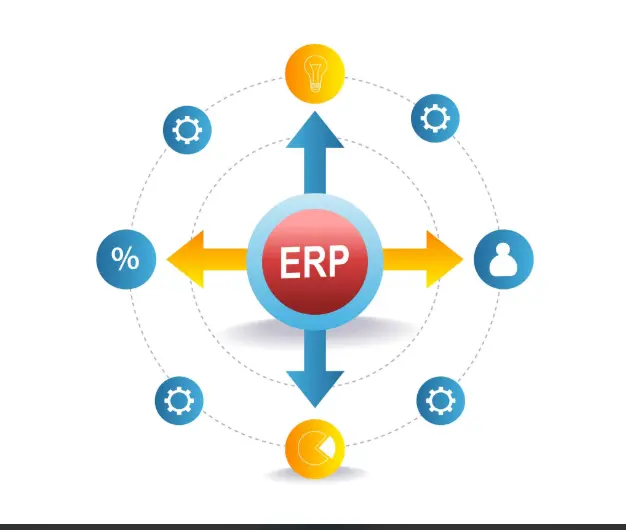
Centralized business processes connected through an ERP core. Sumber: Hasan As Ari / Getty Images
Detailed Research Analysis of Top-Performing ERP Systems
1. Acumatica Cloud ERP
Acumatica has gained significant momentum in the mid-market sector due to its unique consumption-based pricing model and modern cloud architecture. Unlike traditional per-user licensing models, Acumatica allows companies to scale user access across the organization without incurring exponential subscription cost increases.
- Core Highlights: Unlimited user licensing options, exceptional mobile responsiveness, and strong field services management capabilities.
- Ideal Application: Construction management, wholesale distribution, retail distribution, and field service organizations.
- Research Insight: Organizations with high user counts and fluctuating seasonal workforces benefit greatly from Acumatica’s cost structure.
2. InEpicor ERP (Epicor Kinetic)
Epicor Kinetic is engineered specifically for discrete and process manufacturing environments. It offers deep operational capabilities designed to address complex production schedules, bill of materials management, and shop-floor automation out of the box.
- Core Highlights: Built-in manufacturing execution capabilities, granular quality management, and real-time shop floor tracking.
- Ideal Application: Automotive supply, aerospace component manufacturing, industrial machinery production, and medical device manufacturing.
- Research Insight: Epicor minimizes the need for heavy third-party customizations in heavy industrial and production-focused environments.
3. Workday Enterprise Management Cloud
Workday excels in service-oriented industries where human capital management and financial planning form the core of operational performance. Known for its unified data model, Workday provides real-time financial reporting alongside robust talent acquisition and management tools.
- Core Highlights: Industry-leading financial management tools, advanced workforce analytics, and intuitive organizational planning interfaces.
- Ideal Application: Financial service firms, healthcare systems, higher education institutions, and professional service organizations.
- Research Insight: Highly suited for talent-intensive enterprises where operational success depends directly on workforce optimization.
Essential Architectural Pillars to Evaluate During ERP Research
Modern ERP platforms vary significantly in software architecture, cloud delivery models, and data security standards. Evaluation teams must pay close attention to several foundational parameters during system reviews.
- True Cloud vs. Hosted Legacy Architectures: Multi-tenant cloud solutions offer seamless, automatic updates and consistent performance, whereas hosted legacy applications often require manual upgrades and additional infrastructure upkeep.
- Data Security and Regulatory Compliance: Confirm that prospective systems hold recognized certifications such as SOC 1, SOC 2, ISO 27001, and localized data privacy compliances.
- User Experience and Mobility: Intuitive dashboards and native mobile access directly impact employee adoption rates and reduce initial training curves.
- Real-Time Analytics and Data Processing: Ensure the system provides built-in business intelligence tools capable of running live queries without degrading general database speed.
Action Plan for ERP Selection Success
Executing a successful ERP evaluation requires strong cross-functional coordination and disciplined decision-making:
- Form a Dedicated Evaluation Team: Assign clear responsibilities to executives, department leads, and IT experts to guide vendor interactions.
- Develop Scenario-Based Evaluation Scripts: Ask vendors to demonstrate live business scenarios using your company’s actual operational data rather than standardized sales scripts.
- Analyze Data Migration Complexity: Review existing legacy data formats to estimate data cleaning, transformation, and migration requirements accurately.
- Negotiate Comprehensive Service Level Agreements: Secure clear vendor commitments regarding cloud uptime SLAs, disaster recovery, support response times, and future price caps.