
The Strategic Importance of ERP Research for Modern Enterprises
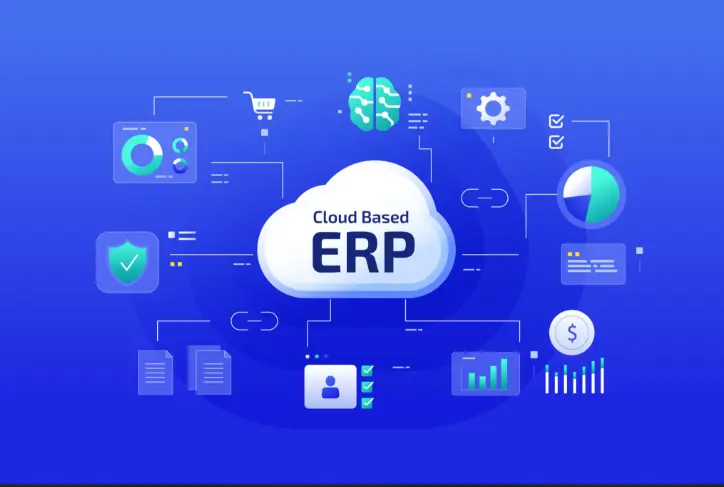
Selecting an Enterprise Resource Planning system represents one of the most critical software investments an organization can make. In an increasingly complex digital economy, businesses cannot afford to rely on fragmented legacy software, disconnected spreadsheets, or manual operational processes. An integrated cloud ERP framework centralizes corporate data across finance, human resources, supply chain management, procurement, and customer relations. However, because enterprise software deployments require substantial capital expenditure and multi-month implementation timelines, conducting thorough ERP research prior to vendor selection is vital.
Evaluating ERP systems involves analyzing complex variables including total cost of ownership, scalability, customization capabilities, security standards, and industry-specific functionality. High-performing research methodologies allow technology leaders, chief financial officers, and operations directors to compare software platforms objectively. By leveraging research-backed insights, organizations significantly lower the risk of deployment delays, budget overruns, and user adoption bottlenecks.
Top ERP Research Platforms and Software Solutions
1. SAP S/4HANA Cloud
SAP S/4HANA Cloud remains an industry benchmark for large enterprise organizations seeking deep operational visibility and real-time processing capability. Built on an advanced in-memory database architecture, this system enables businesses to run complex predictive analytics and automated financial closes seamlessly.
- Key Strengths: Unmatched scalability for multinational corporations, embedded artificial intelligence for predictive forecasting, and robust global compliance modules.
- Best Suited For: Large-scale manufacturing, global distribution networks, and enterprise conglomerates requiring multi-entity consolidated reporting.
- Implementation Considerations: Requires specialized implementation partners and a structured change management strategy due to system depth.
2. Oracle NetSuite ERP
Oracle NetSuite is widely recognized as one of the most versatile cloud ERP platforms available today. Serving fast-growing mid-market companies and established enterprise subsidiaries, NetSuite delivers end-to-end operational visibility through a unified cloud interface.
- Key Strengths: Highly flexible cloud architecture, multi-currency support, real-time executive dashboards, and rapid operational scalability.
- Best Suited For: Growing mid-sized businesses, e-commerce retailers, professional services firms, and software organizations.
- Implementation Considerations: Organizations should carefully scope custom customization requirements to keep long-term subscription costs optimized.
3. Microsoft Dynamics 365 Business Central
Microsoft Dynamics 365 Business Central offers seamless integration with the broader Microsoft ecosystem, including Office 365, Azure, and Power BI. This deep integration makes it an intuitive choice for organizations seeking familiar user interfaces alongside powerful ERP functionality.
- Key Strengths: Native interoperability with Microsoft business productivity tools, flexible modular deployment, and strong inventory tracking algorithms.
- Best Suited For: Small-to-medium enterprises that already rely heavily on Microsoft enterprise infrastructure.
- Implementation Considerations: Third-party add-ons from the Microsoft AppSource marketplace may be needed for specialized vertical capabilities.
Key Criteria for Researching and Evaluating ERP Vendor Options
When assessing prospective ERP platforms, business leaders must establish a structured evaluation matrix. Relying solely on feature checklists often leads to oversight regarding long-term maintenance requirements and integration friction.
- Functional Fit and Vertical Alignment: Ensure the system offers out-of-the-box workflows tailored to your specific industry requirements.
- Integration Ecosystem and API Maturity: Verify that the platform connects smoothly with existing customer relationship management systems, third-party logistics software, and custom business databases.
- Total Cost of Ownership: Calculate expenses comprehensively, factoring in software licensing, data migration, user training, continuous software updates, and ongoing administrator support.
- Vendor Viability and Product Roadmap: Partner with vendors that continuously reinvest in security enhancements, cloud stability, and artificial intelligence capabilities.
Best Practices for Executing an ERP Research Strategy
To ensure a smooth evaluation cycle, project steering committees should adopt a disciplined step-by-step approach:
- Document Internal Workflows: Map existing business processes across all functional departments before engaging with software vendors.
- Establish Clear KPIs: Define measurable goals for the project, such as reducing order processing times, improving inventory accuracy, or accelerating month-end financial reporting.
- Engage Key Stakeholders Early: Include end-users from finance, operations, sales, and warehouse management in demo sessions to secure early organizational buy-in.
- Conduct Thorough Reference Checks: Request peer references within your specific industry tier to understand practical deployment timelines and post-implementation support quality.